
As the days grow shorter and the nights longer, many people may experience a dip in their mood. This seasonal change can sometimes lead to a more serious condition known as Seasonal Affective Disorder (SAD). If you experience any of the symptoms listed below, you’re not alone! Many people from all age groups and geographic locations have these symptoms. If you are local to the Chandler area, we would invite you to schedule a consultation with our naturopathic doctor for help and guidance. We take a holistic approach to helping our patients, and we are committed to helping those in our care lead a healthier life.
What is Seasonal Affective Disorder (SAD)?
Seasonal Affective Disorder (SAD) is a type of depression that occurs during specific seasons, most commonly in the fall and winter months when daylight hours are shorter. People with SAD often experience symptoms such as low energy, changes in sleep patterns, difficulty concentrating, and feelings of sadness or hopelessness.
While the exact cause isn’t fully understood, reduced sunlight exposure during these seasons is believed to play a significant role, as it can disrupt the body’s internal clock and lead to imbalances in serotonin and melatonin levels, which impact mood and sleep. Although symptoms often improve in the spring and summer, SAD can have a profound impact on daily life and well-being during the colder months. Treatments like light therapy, medication, and counseling can help manage the symptoms, allowing those affected to find relief and maintain a better quality of life.
Can You Treat SAD?
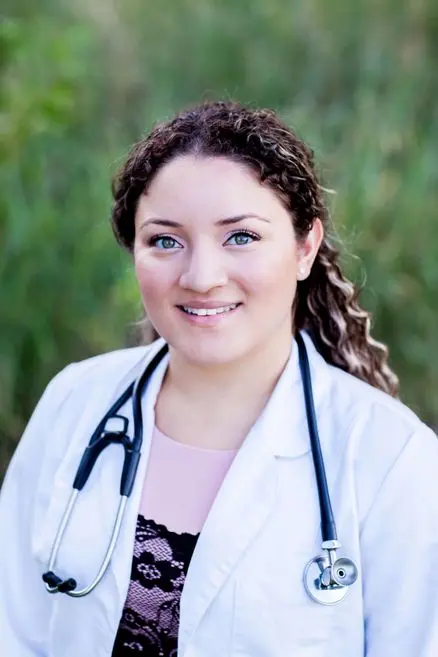
If you’re experiencing symptoms of SAD, it’s worth exploring the treatment options available. Seasonal Affective Disorder can have a significant impact on your quality of life, but with the right approach, you can manage it effectively. At Essence Medical Center, Dr. Paula Lima provides thorough assessments and customized treatment plans to address each person’s unique needs.
Light Therapy For SAD
Light therapy, often a first-line treatment for SAD, involves exposure to a bright light that mimics natural sunlight. This helps reset the body’s internal clock, known as the circadian rhythm, which can become disrupted during the shorter daylight months. Sitting near a light box for about 20-30 minutes each morning can boost serotonin levels, improving mood and energy levels throughout the day. Many patients find that light therapy provides noticeable relief from symptoms within a few days to weeks.
Vitamin D Supplementation Makes a Difference
Vitamin D plays an important role in mood regulation, and its deficiency is common during the winter months when sun exposure is limited. Often called the “sunshine vitamin,” Vitamin D supports numerous bodily functions, including immune health, bone strength, and mental well-being. Studies show a correlation between low Vitamin D levels and an increased risk of depressive symptoms. Dr. Lima can assess your Vitamin D levels and recommend a personalized dosage to help maintain your overall health. From our HRT treatments in Chandler to weight management and more, we are here to help.
Maintaining a Healthy, Holistic Lifestyle
Lifestyle adjustments, like regular exercise, a balanced diet, and consistent sleep, make a positive difference in managing SAD symptoms. Physical activity releases endorphins, naturally lifting your mood, while a nutritious diet provides your body with the fuel it needs. Prioritizing sleep also allows your body to recover and regulate emotions more effectively. Together, these habits can help you feel more energized and less affected by seasonal changes.
Practicing Mindfulness Techniques
Mindfulness practices such as meditation, yoga, and deep breathing exercises can provide mental relief from SAD by helping to reduce stress and anxiety. These techniques focus on staying present and calming the mind, which can help shift your attention away from negative thoughts. Over time, mindfulness practices can contribute to greater emotional resilience, making it easier to navigate the darker winter months.
Who is Most Likely to Suffer From SAD?
Research shows that some groups are more prone to experiencing Seasonal Affective Disorder than others. Women are significantly more likely to suffer from SAD than men, with studies indicating that approximately 60-90% of those affected are female. People living in higher latitudes, where winters are darker and shorter, are also more susceptible. This means that individuals in northern regions or those who have relocated from sunny climates, such as Puerto Rico, may be at greater risk. Age plays a role as well, with younger adults typically more affected than older adults. Genetics and family history can further influence one’s likelihood of experiencing SAD; those with relatives suffering from depression or other mood disorders have an increased risk. Anyone can have symptoms of SAD, but if you have relocated from a sunny climate to a darker region, and if you fit one of the demographic categories listed above, keep this in mind.
Call Essence Medical Center
If you’re struggling with SAD or have other health concerns, we invite you to schedule an appointment at Essence Medical Center. Together, we can develop a personalized treatment plan to help you feel your best. With winter on the horizon, you can get the support you need as we head into cooler, darker months. We also have an in-house esthetician in Chandler, along with a number of other services. We’d love to hear from you.