
What Is SkinPen Microneedling and Who Is It Actually Right For?
If you have been researching ways to improve skin texture, acne scarring, or fine lines without turning to injectables or laser resurfacing, chances are you have come across SkinPen microneedling. At Essence Medical Center in Chandler, this is one of the treatments patients ask about most often, largely because it works with the skin’s own repair process rather than adding a substance to it. Understanding how it actually works, and who tends to benefit most, can help you decide whether it belongs in your skin care plan.
This post walks through the mechanics of SkinPen microneedling, what a session and the days afterward typically involve, how many treatments are usually recommended, and how it fits alongside other skin care options. The goal is to give you a realistic picture, not a sales pitch, so you can make an informed decision.
How SkinPen Microneedling Actually Works
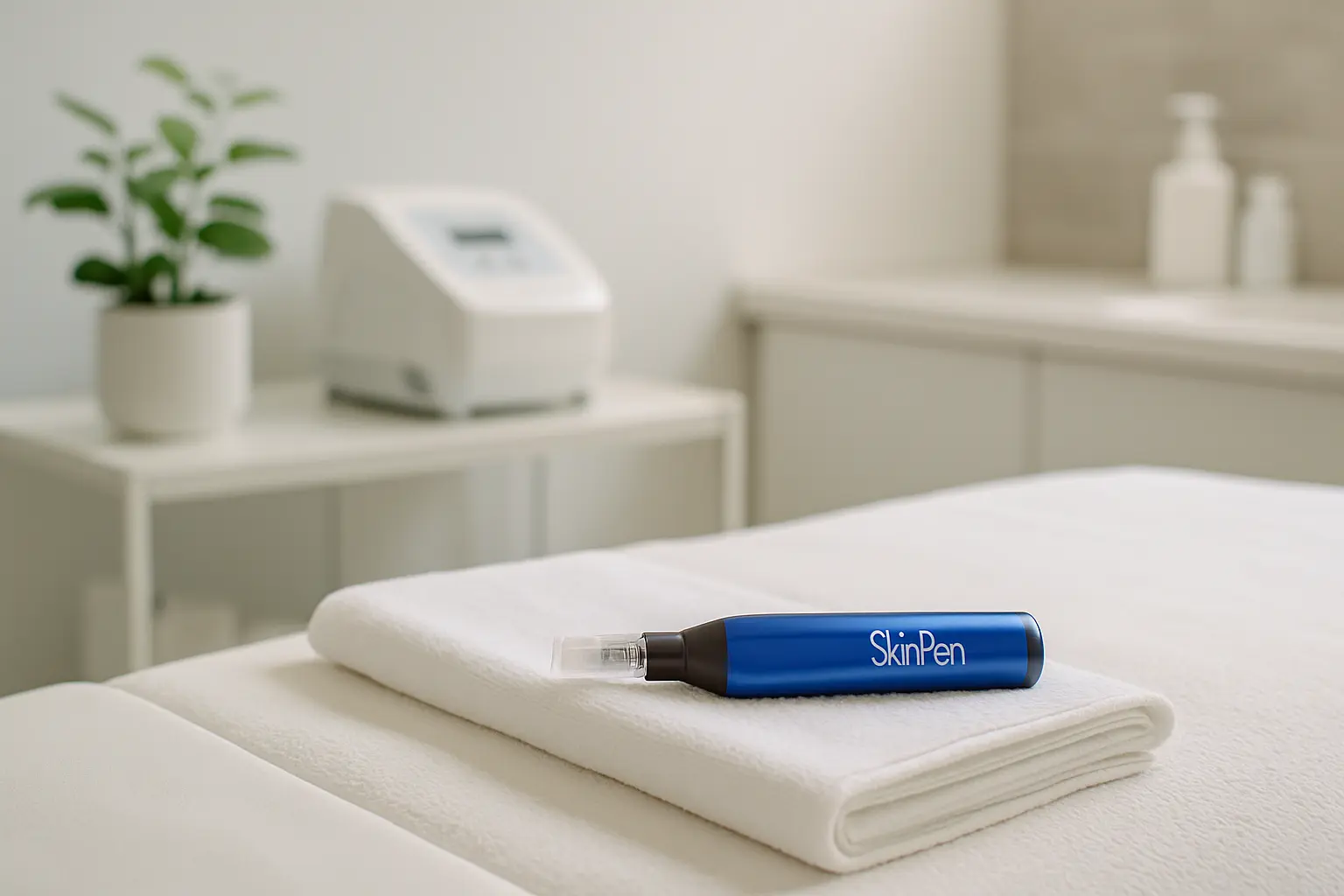
SkinPen is a handheld device that uses very fine, sterile needles to create controlled micro-injuries in the top layers of the skin. These micro-injuries are intentionally shallow and precise. The point is not to damage the skin, but to signal to the body that repair work is needed, which triggers a natural wound-healing response that includes new collagen and elastin production.
This is what sets microneedling apart from treatments that rely on adding volume or fillers to the skin. Instead of introducing an external substance, SkinPen essentially prompts the skin to rebuild parts of itself. Over the following weeks, as collagen remodels beneath the surface, many patients notice smoother texture, a more even tone, and softer-looking lines in areas that were treated. Because the results come from the body’s own regenerative process, they tend to build gradually rather than show up overnight.
Another reason SkinPen is often chosen over other resurfacing options is that it can generally be used on a broader range of skin types and tones than some laser-based treatments, since it does not rely on heat or light targeting pigment in the skin. That said, every patient’s skin is different, and a provider will still need to evaluate your history, skin condition, and goals before recommending it.
What a SkinPen Session and Recovery Actually Feel Like
A typical SkinPen session starts with cleansing the skin and applying a topical numbing agent to keep the treatment comfortable. Once the skin is prepped, the provider moves the device across the treatment area in a controlled pattern, adjusting needle depth based on the area being treated and the specific concern, such as acne scarring versus fine lines. Most sessions take somewhere in the range of thirty minutes to an hour, depending on how much area is being covered.
Immediately afterward, the skin usually looks flushed, similar to a moderate sunburn, and may feel warm or slightly tight. This redness is expected and is part of the skin’s inflammatory response kicking off the repair process. Some patients also notice mild swelling, particularly around the eyes or cheeks, which typically settles within a day or two.
In the days that follow, the skin may feel rough or slightly dry as it moves through the healing cycle, and gentle, fragrance-free skin care is usually recommended during this window. Sun protection becomes especially important in the days after treatment, since freshly treated skin is more sensitive to UV exposure. Most patients are comfortable returning to normal activities within a day or two, though makeup is often held off for at least twenty-four hours to give the skin room to begin healing.
How Many Sessions Are Typically Recommended
Because SkinPen works by stimulating a biological process rather than delivering an instant cosmetic change, results are not designed to appear after a single visit. Collagen remodeling takes time, and a series of sessions spaced several weeks apart allows the skin to build on the progress made in the previous treatment. This is one of the key differences between microneedling and treatments marketed as quick fixes.
Most treatment plans involve a series of three to six sessions, though the exact number depends on the concern being addressed, the severity of the skin issue, and how the skin responds along the way. Acne scarring, for example, often requires a longer series than a general texture and tone refresh. A provider will typically reassess progress at each visit and adjust the plan as needed rather than committing to a fixed number upfront.
Patients who do best with SkinPen tend to be those who understand and accept this timeline. It is a treatment suited to planning ahead, whether that means preparing for a season where skin looks its best or simply investing in longer-term skin health rather than seeking a same-day transformation.
Who Is SkinPen Microneedling Actually Right For
SkinPen tends to be a good option for people dealing with acne scarring, enlarged pores, fine lines, or uneven skin tone who want visible improvement in texture without turning to injectables or more aggressive resurfacing procedures. Because the treatment works across a range of skin types, it is also frequently recommended for patients who may not be ideal candidates for certain laser treatments due to skin tone or sun sensitivity.
It is worth being clear about who this treatment is not designed for. Patients expecting dramatic, immediate results, or those looking to address significant volume loss or deep static wrinkles, are usually better served by a different treatment or a combination approach. Certain skin conditions, active infections, or a history of specific scarring disorders may also mean microneedling is not the right starting point, which is why a consultation and skin evaluation come before any treatment plan.
- Patients with acne scarring or textural irregularities often see gradual softening of scars over a series of sessions
- Those with enlarged pores or dull, uneven tone frequently choose SkinPen as a lower-intervention option
- Patients who want to avoid injectables but still want to address early fine lines are common candidates
- People with limited downtime tolerance may appreciate that recovery is generally short compared to more aggressive resurfacing
Combining Microneedling With Other Skin Treatments
SkinPen is often used as one part of a broader skin care strategy rather than a standalone solution. Because it stimulates the skin’s own repair mechanisms, it can complement treatments that work through different pathways, and providers frequently discuss combination approaches during a consultation based on a patient’s specific goals.
For example, some patients pair a series of microneedling sessions with topical treatments designed to support skin barrier health between visits, which can help extend and support the results building in the skin. Others may explore combination approaches involving chemical peels or other resurfacing methods on a schedule that allows the skin adequate recovery time between different modalities. The right combination, if any, depends heavily on the individual’s skin type, tolerance, and what they are trying to achieve.
At Essence Medical Center, treatment planning starts with a conversation about your specific concerns and skin history before any recommendations are made. This matters because not every combination is appropriate for every patient, and sequencing treatments incorrectly can affect both comfort and results. A provider who understands your full skin care picture, not just the microneedling piece, is better positioned to build a plan that actually fits your goals.
Considering SkinPen Microneedling in Chandler
For patients in Chandler and the surrounding East Valley, having access to an in-person consultation before starting any skin treatment is an important part of the process. Skin type, sun exposure history, and daily habits all vary from person to person, and a provider needs to see your skin directly to determine whether SkinPen is the right fit or whether another approach makes more sense.
Essence Medical Center approaches microneedling as part of a longer-term conversation about skin health rather than a one-time fix. That means talking through realistic expectations, reviewing your history, and building a session schedule that respects both your goals and your timeline. For East Valley patients balancing work, family, and other commitments, having a clear, honest picture of what a treatment series involves, from the first visit through the final follow-up, makes it easier to plan around real life.
Ready to Talk Through Your Options
If you are considering SkinPen microneedling and want to know whether it fits your skin, your goals, and your schedule, the next step is a conversation, not a commitment. Essence Medical Center in Chandler offers consultations where a provider can evaluate your skin in person and walk through what a realistic treatment plan might look like for you. You can learn more about SkinPen microneedling and take the next step by visiting https://essencemedicalcenter.com/skinpen-microneedling/.
Frequently Asked Questions
How does SkinPen microneedling differ from other microneedling devices?
SkinPen is a specific device that uses sterile, fine needles in a controlled pattern to create precise micro-injuries in the skin. The consistency of needle depth and the device’s design are meant to make the treatment more predictable across sessions compared to less regulated tools. A provider can explain how the specific device used in your treatment plan compares to alternatives you may have read about.
Is SkinPen microneedling painful?
Most patients describe the sensation as mild discomfort or pressure rather than significant pain, especially since a topical numbing agent is typically applied before treatment. Sensitivity can vary depending on the area being treated and individual pain tolerance. Providers can adjust the approach during the session if a patient is experiencing more discomfort than expected.
How long do results from SkinPen microneedling last?
Because results come from stimulating the skin’s own collagen production, how long visible improvement lasts varies by individual and depends on factors like skin care habits, sun exposure, and the natural aging process. Many patients maintain results with periodic touch-up sessions rather than a single series. A provider can offer more specific guidance based on your skin and goals.
Can SkinPen microneedling be combined with other treatments in one visit?
In some cases, providers may recommend spacing out different treatments rather than combining everything in a single session, depending on the skin’s tolerance and recovery needs. Combination plans are typically built around a patient’s specific concerns and reviewed during a consultation. This helps ensure the skin has adequate time to heal between different types of treatment.
Where can I find SkinPen microneedling near Chandler?
Essence Medical Center offers SkinPen microneedling for patients in Chandler and the surrounding East Valley, with consultations available to evaluate whether the treatment is a good fit for your skin. A provider will review your skin history and goals in person before recommending a treatment plan. Scheduling a consultation is the most reliable way to get personalized guidance for your specific situation.